Mystical and spiritual places in Cusco
Cusco es una ciudad rodeada de espiritualidad y misticismo. Allí, se puede encontrar importantes recintos incas y espacios naturales donde se puede hacer pagos a la madre tierra, también se puede hacer rituales de purificación e incluso, pedir protección a los apus y otras deidades andinas.
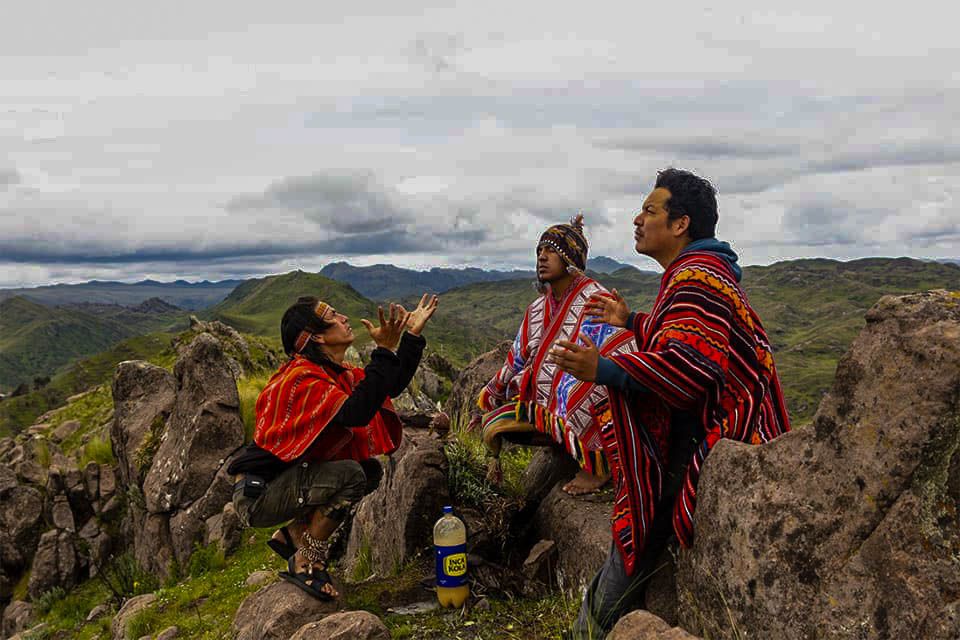
Cusco is a city surrounded by spirituality and mysticism. There, you can find important Inca sites and natural spaces where you can make offerings to Mother Earth, perform purification rituals, and even ask for protection from the apus and other Andean deities. The local population still maintains these traditions as a way to transcend in the cosmos. In this blog, we want to talk about some places where you can spiritually connect with Pachamama, nature, and the energy of the universe.
Mystical tourism and spirituality in Cusco
Cusco harbors a strong spiritual connection with its past and also with nature. The energy that surrounds this city remains intact, even as time passes.
Cusco's strong spirituality is due to the fact that most of its constructions were dedicated to important cults such as the sun, the moon, and the stars. The Incas built important temples to these deities in what we now know as the Historic Center.
On the other hand, you can also find evidence that the ancient Incas held ceremonies of gratitude to the mountains, rivers, caves, water sources, the first harvests, and especially to the earth.
Currently, Cusco has become one of the most recognized destinations for mystical tourism. This is thanks to the vital cultural and ancestral heritage that many locals still manage to transmit. An example of this can be seen in the Q'eros community or nation in the highlands of Paucartambo in Cusco.
What is mystical tourism like in Cusco?
- Many tourists wish to connect with nature and live a spiritual experience that can transform their lives.
- Cusco also offers healing rituals and retreats to sacred spaces in order to renew energies.
- Who can do mystical tourism? It is recommended for all people who wish to transform or change their lifestyle. The spirituality that can be achieved allows for inner peace, which is a crucial step for physical and mental well-being.
- What do I gain from mystical tourism in Cusco? The main purpose is self-exploration and self-knowledge. This is achieved through ceremonies and rituals to know and recognize deep emotions that lie within all people.
- Mystical tourism also allows you to connect with nature and especially with other people. A more acute empathy develops. Ceremonies are held in groups and most excursions and activities invite this as well.
- Experiential tourism is a way to break cultural barriers. Ideal for travelers who wish to break the boundaries of their own consciousness and existence. By delving into ancestral ceremonies and rituals, they will know and understand the beliefs, traditions, and forms of ancestral healing.
The main places of mysticism and spirituality in Cusco
Cusco, being the ancient capital of the Tahuantinsuyo, has several places recognized by tradition and locals as spaces full of mysticism and above all spirituality. According to some chronicles and historians, in the current Plaza de Armas, there was the main huaca from which all paths led to the main ayllus, centers of worship, and sacred places.
The Temple of the Moon in Cusco
What is the Temple of the Moon like in Cusco?
- The Temple of the Moon was one of the most important Inca constructions of the Inca empire.
- The value of the Temple of the Moon stands out because near the construction you can find an extensive esplanade, a place where ceremonies, rituals, and offerings were held.
- The Temple of the Moon is a construction that takes advantage of the geological formation of the place. The main carvings and shapes were made on a considerably sized stone.
- The shape of the Temple of the Moon resembles a grotto and also a large cavern. This is why it also has that name in Machu Picchu.
- For many, the particular shape of the temple that has a portal-like division also serves to connect with the cosmos, especially with the moon.
- Both inside and outside the temple, you can find stone carvings. Among these, the figure of a semicircle that resembles the shape of the moon stands out.
How to get to the Temple of the Moon?
- This temple is located very close to Sacsayhuamán. It is one of its archaeological sites.
- Due to this location, it is quite easy to visit from downtown Cusco. To get there, you can opt for trips on well-paved roads or walk.
- You can get there by taxi, public bus, or even private transport. In the case of a taxi trip, it can cost 15 soles. The price of public buses is 1 sol; the companies that make this route are Señor de Huerto and Cristo Blanco.
- Another recommended option is to make the climb walking. The average walking time from the Plaza de Armas is 30 to 45 minutes. This will depend on physical condition and whether the tourist has acclimatized.
- In any case, it is recommended to visit in the morning hours and with company. It tends to be a little-visited place.
What ceremonies can I do?
- People who visit always make a thanksgiving offering dedicated to the Moon. Also, in some cases, they relate it to the presence of Pachamama or Mother Earth.
- The offerings are made with coca leaves, corn kernels, and other local foods. Of course, the presence of chicha cannot be missing.
- It is important to highlight that the Temple of the Moon is also known as one of the Inca constructions dedicated to fertility.
- So not only couples come to this place to ask for the blessing that money, work, love, and more blessings grow and multiply.
- It is important to perform the thanksgiving ceremony with respect. It will also be vital and much better to have the presence of a paqo or Andean shaman to guide the entire ceremony and perform it correctly.
Care and recommendations
- It is important to have prior acclimatization with rest and hydration.
- It is not recommended to make the tour or visit alone.
- Use sunscreen, light clothing, and if you travel during the rainy season, bring an umbrella or waterproof clothing.
- If you have a brief picnic or similar, try not to leave waste.
- Hire a paqo or Andean shaman to accompany you in the ceremony and ritual.
The Temple of the Monkeys in Cusco
What is the Temple of the Monkey like in Cusco?
- The Temple of the Monkey is the remains of an ancient building. It also receives the name of Kusillochuyoc.
- The Quechua word "Kusillu" translates directly as "monkey".
- Being close to the Temple of the Moon, you can observe a certain connection in both buildings. Especially because from the Temple of the Monkeys you can observe the movements of the moon.
- Currently, you can only see the foundations of the construction, but it is also possible to appreciate the high-relief carvings of the figure of a monkey.
- Other figures that can be seen are snakes and toads, although these seem to be hidden.
- It is a site that few people visit, making it ideal for connecting with the tranquility of the place.
How to get to the Temple of the Monkey?
- The Temple of the Monkey is located near Qenqo, a few minutes from Sacsayhuamán, in the archaeological zone of Cusco.
- From the historic center of Cusco, you can get there walking in approximately 40 minutes, depending on the pace and acclimatization of the visitor.
- You can also access by taxi, with an approximate cost of 15 to 20 soles, or by public transport for 1 sol. The most common routes are those that go to Cristo Blanco or Qenqo.
- It is advisable to make the journey with company, as the temple is in a little-traveled area surrounded by vegetation.
- The best time to visit is in the morning, when there is better natural lighting and you can do a brief ceremony.
What ceremonies can I do?
- The Temple of the Monkey is considered a space of introspection and connection with ancestral wisdom. Many people perform energy cleansing rituals and thanksgiving offerings.
- Ceremonies usually include coca leaves, corn, flowers, and chicha, as traditional elements of the Andean worldview.
- Some visitors come to the temple to ask for mental clarity, spiritual guidance, or blessings related to knowledge and fertility.
- It is recommended to perform ceremonies with respect and, if possible, with the guidance of a paqo or Andean shaman, who can interpret the symbols of the place and direct the ritual appropriately.
Care and recommendations
- Prior acclimatization is essential. It is recommended to rest and hydrate before the walk.
- Do not make the visit alone, especially if you plan to perform a ceremony.
- Bring sunscreen, hat, comfortable clothing, and in the rainy season, waterproof gear or umbrella.
- Do not leave waste or alter the natural environment. Respect for the place is an essential part of the experience.
- If you wish to perform a ceremony, contact a spiritual guide or Andean shaman beforehand to coordinate the visit.
Inkiltambo
What is Inkiltambo like?
- It is an Inca site whose particularity is that the building is part of the rocky area of the place, where different carvings were made.
- According to some research, Inkiltambo had a garden surrounded by immense granite stones.
- Inkiltambo can be translated as "flowery place", so it can also be understood as a resting space or an inn. Surely directed to the elite of the Tahuantinsuyo.
- The main characteristic of Inkiltambo is that you can see five niches. Two of these carvings are inside the site, while the other three are located in the exterior area.
- Also, on the outskirts, you can find the presence of terraces and a system of aqueducts along with drains.
- Being a spiritual and connection space, it is little visited by tourists. Therefore, it will be important to look for a mystical tour in Cusco to visit it.
- The natural environment surrounding the site, with abundant vegetation and panoramic views, makes it an ideal place for meditation and spiritual connection.
- Unlike other more crowded sites, Inkiltambo retains a quiet and little-intervened atmosphere, allowing for a more intimate experience with Inca history.
How to get to Inkiltambo?
- Inkiltambo is located in the San Sebastián district, about 30 minutes from Cusco's historic center.
- You can get there by taxi (approximately 15 to 20 soles), by public transport (1 sol), or walking from areas like San Blas or Sacsayhuamán.
- The walk is an excellent option for those who wish to enjoy the landscape and do a light hike. The journey can take between 40 and 60 minutes, depending on the pace and acclimatization.
- It is advisable to bring a map or guide, as the site is not signposted like other more popular tourist destinations.
- The best time to visit is in the morning or at sunset, when natural light highlights the architectural details and natural environment.
What ceremonies can I do?
- Inkiltambo is considered a space of introspection and connection with ancestral wisdom. Many people perform energy cleansing rituals and thanksgiving offerings.
- Ceremonies usually include coca leaves, corn, flowers, and chicha, as traditional elements of the Andean worldview.
- Some visitors come to ask for mental clarity, spiritual guidance, or blessings related to knowledge and fertility.
- It is recommended to perform ceremonies with respect and, if possible, with the guidance of a paqo or Andean shaman, who can interpret the symbols of the place and direct the ritual appropriately.
Care and recommendations
- Prior acclimatization is essential, especially if you plan to walk from Cusco.
- Do not make the visit alone, as the site is surrounded by nature and is rarely visited by tourists. Another detail is that it can be difficult to find cell phone signal.
- Bring water, sunscreen, hat, comfortable clothing, and in the rainy season, waterproof gear or umbrella.
- Do not leave waste or alter archaeological structures. Respect for the place is a fundamental part of the experience.
- If you wish to perform a ceremony, contact a spiritual guide or Andean shaman beforehand to coordinate the visit.
Chuspilloq archaeological site
What is the spiritual site of Chuspilloq like?
- It is a special place in Cusco. Since its construction, it was linked to Andean spirituality.
- To get to this place, you follow an Inca Trail route, which also offers a unique experience.
- Being far from the city and other sites, you can find a unique tranquility that allows for reflection and a connection with the spiritual.
- The Quechua word "Chuspilloq" can be understood as "the one that has sprouts" or "to bloom". It is the ideal name for the spiritual connection felt in the place.
- Although it does not have a large structure or building, the route to the place and the spaces make it ideal for a ceremony or simply for meditation.
- Unlike other more monumental sites, Chuspilloq stands out for its mystical energy, ideal for meditation, light trekking, and spiritual connection.
- Many visitors claim to feel a special energy in the place, making it a perfect destination for those who practice yoga, Andean rituals, or conscious tourism.
How to get to Chuspilloq?
- Chuspilloq is located in the San Sebastián district, east of Cusco city, between 3,600 and 3,800 meters above sea level.
- You can get there in three ways:
- Walking from Cusco: from San Blas or San Sebastián, along ancient Inca paths (approximately 1 hour and 30 minutes on foot).
- Local taxi: to a nearby area, and then a 15 to 20-minute walk. The cost can vary between 15 and 25 soles.
- Guided tour: ideal for those who want a complete experience with guide, transport, and ceremony.
- The trail is safe, but in the rainy season it can become slippery. It is recommended to wear good footwear and not go alone if it is your first time.
What ceremonies can I do?
- Chuspilloq is an ideal place to make offerings to Pachamama, water purification rituals, and thanksgiving ceremonies.
- If you are thinking of doing a thanksgiving ceremony, don't forget to bring coca leaves, flowers, corn, fruits, and chicha, traditional elements of the Andean worldview.
- It is also a propitious space to ask for blessings related to personal growth and spiritual harmony.
- It is recommended to perform ceremonies with respect and, if possible, with the guidance of a paqo or Andean shaman, who can direct the ritual according to ancestral traditions.
Care and recommendations
- Prior acclimatization is essential, especially if you plan to walk from Cusco.
- Do not make the visit alone if you don't know the way. It is better to go with a guide or in a group.
- Bring:
- Trekking shoes
- Light clothing and jacket (the weather varies)
- Water, snacks, sunscreen, hat, and sunglasses
- Poncho or waterproof in the rainy season
- Do not leave waste or alter archaeological structures.
- Ideal for visits planned in advance so you don't forget any details.
- If you want a deeper experience, you can coordinate Andean rituals with local spiritual guides.
Humantay Lake
What is Humantay Lake like?
- Humantay Lake is one of the most impressive natural wonders of Cusco and Peru. It is located at the foot of Humantay Mountain, which is why it also receives that name.
- It has an intense turquoise color, surrounded by snow-capped mountains, making it an ideal destination for those seeking unique landscapes and spiritual experiences.
- This lake is considered sacred by Andean communities, as it is believed to be connected with the Apus (mountain spirits) and with the energy of Pachamama.
- The water comes from the melting of Humantay Mountain, which gives it its purity and special tonality.
- The natural environment is perfect for meditation, photography, trekking, and thanksgiving ceremonies.
- Many visitors claim to feel a special energy in the place, making it a point of spiritual connection and personal renewal.
How to get to Humantay Lake?
- The lake is located in the Mollepata district, Anta province, about 3 hours by vehicle from Cusco.
- To get there, you can take a tour from Cusco that includes transport, guide, and food. It is also possible to go on your own by taxi or private vehicle to Soraypampa, and from there start the walk.
- The walk from Soraypampa to the lake takes between 1 hour and 30 minutes to 2 hours, depending on the pace and acclimatization. The path is steep and it is recommended to take it easy.
- The altitude of Humantay Lake is approximately 4,200 meters above sea level, so it is essential to acclimatize before the visit.
- The best time to start the trip and the walk is from dawn, when there are fewer tourists and the route is less busy.
What ceremonies can I do?
- Humantay Lake is an ideal place to perform rituals of thanksgiving to Pachamama and the Apus, especially to Apu Humantay.
- Ceremonies usually include offerings with coca leaves, flowers, corn, fruits, and chicha, as a symbol of respect and connection with nature.
- It is also common to perform energy renewal rituals, ask for protection, health, and harmony.
- It is recommended to perform ceremonies with respect and, if possible, with the guidance of a paqo or Andean shaman, who can direct the ritual according to ancestral traditions.
- Some tours include guided ceremonies as part of the spiritual experience.
Care and recommendations
- Prior acclimatization is essential to avoid altitude sickness.
- Bring:
- Warm and light clothing (the weather changes quickly)
- Trekking shoes
- Water, snacks, sunscreen, hat, and sunglasses
- Poncho or waterproof in the rainy season
- Do not leave waste or alter the natural environment. The lake is a fragile ecosystem.
- Do not swim in the lake or throw objects. It is considered sacred by local communities.
- If you wish to perform a ceremony, coordinate beforehand with a spiritual guide or Andean shaman.
Ausangate Mountain
What is Ausangate Mountain like?
- Ausangate Mountain is one of the most sacred and majestic mountains in Peru.
- It reaches an altitude of 6,384 meters above sea level, is the fifth highest mountain in the country and the tutelary Apu of the Cusco region.
- It is part of the Vilcanota Mountain Range, one of the areas with the highest concentration of snow-capped mountains in Peru, and is considered a place of great spiritual power within the Andean worldview.
- For indigenous peoples, Ausangate is the "creator of waters", since from its glaciers are born lakes like Sivinacocha, which fertilize the land and feed the rivers.
- The surrounding landscape is impressive: multicolored mountains, turquoise lakes, glaciers, high Andean fauna and communities that still preserve their ancestral traditions.
- It is also the setting for one of the most important pilgrimages in the Andes: Qoyllur Rit'i, a festival that mixes elements of Christianity and Andean spirituality.
How to get to Ausangate Mountain?
- The mountain is located in the Ocongate district, Quispicanchi province, about 100 to 120 km southeast of Cusco.
- To get there:
- Public transport: From Cusco, you can take a bus to the town of Tinki, the starting point of the trek. The trip takes between 3 and 4 hours and costs between 12 and 15 soles.
- Private transport: Ideal for those seeking more comfort. Take the Cusco-Sicuani route and then turn off towards Ocongate.
- From Tinki, the hike to the mountain begins. The Ausangate Trek lasts between 5 and 6 days, covering approximately 70 km through high mountain landscapes.
What ceremonies can I do?
- Ausangate is a deeply spiritual place. It is common to perform rituals of thanksgiving to the Apus and Pachamama, especially at the nearby lakes.
- One of the most important rituals is the Qarpay, an initiation ceremony for Andean priests, which consists of immersing oneself in the sacred waters to receive the blessing of ancestral spirits.
- During the Qoyllur Rit'i pilgrimage, thousands of people gather to pay homage to the Christ of the Rock and the Apus Sinaqara and Ausangate, in a celebration that has been recognized as Intangible Cultural Heritage of Humanity.
- Offerings include coca leaves, flowers, corn, chicha, and other symbolic elements. It is recommended to perform these rituals with the guidance of a paqo or Andean shaman.
Care and recommendations
- Prior acclimatization: Essential to avoid altitude sickness. It is recommended to spend at least 2 days in Cusco before the trek.
- Proper equipment:
- Thermal and mountain clothing
- Trekking shoes
- Poles, hat, gloves, sunscreen
- Sleeping bag for below-zero temperatures
- Ideal season: From April to November, during the dry season. In the rainy season (December to March), the path can become dangerous.
- Respect for the environment: Do not leave waste, do not alter flora or fauna, and respect local customs.
- Responsible tourism: You can choose to stay in tambos or community lodges, which allows for a more authentic experience and supports local communities.
Salkantay Mountain
What is Salkantay Mountain like in Cusco?
- Salkantay Mountain is one of the most imposing and sacred mountains in southern Peru. With an altitude of 6,271 meters above sea level, it is the second highest snow-capped mountain in Cusco, after Ausangate.
- Its name comes from the Quechua Salqa Antay, which means "wild mountain", and is considered an Apu or protective spirit by Andean communities.
- The mountain has two peaks, known as bicephalous mass, and is located in the Vilcabamba Mountain Range, in the Santa Teresa district, La Convención province.
- In the Andean worldview, Apu Salkantay is the father of all mountains, protector of the peoples of Limatambo, Mollepata, Machu Picchu, and Choquequirao.
- Its glaciers feed the Urubamba River, considered sacred by the Incas, who believed that its waters returned from the jungle in the form of stars through the Milky Way.
How to get to Salkantay Mountain?
- To get to the mountain, you must take the Cusco - Mollepata - Soraypampa route, from where the famous Salkantay Trek begins, a 5-day hike that ends at Machu Picchu.
- Transport from Cusco to Mollepata costs between S/30 and S/40, and from Mollepata to Soraypampa between S/40 and S/50. The entrance to the mountain varies between S/20 and S/50.
- You can also opt for organized tours that include guide, food, and accommodation, with prices between S/450 and S/600 per person.
- The best time to visit is between April and October, when the weather is dry and the views are clearer.
What ceremonies can I do?
- Apu Salkantay is the object of rituals of thanksgiving and protection, especially related to agriculture, climate, and the health of crops.
- Offerings include coca leaves, chicha, flowers, corn, and water from Humantay Lake, which is located at its foothills and is considered sacred.
- Spiritual connection ceremonies are also held, such as the Qarpay, to receive energy from the Apus and renew the bond with Pachamama.
- It is recommended to perform these rituals with the guidance of a paqo or Andean shaman, respecting local traditions.
Care and recommendations
- Prior acclimatization: It is essential to spend at least 1-2 days in Cusco before starting the trek to avoid altitude sickness.
- Necessary equipment:
- Sleeping bag
- Trekking shoes
- Waterproof jacket
- Rain poncho
- Sunscreen, hat, water, and snacks
- Climate: During the day, the temperature can reach 8°C, and at night drop to -10°C.
- Environmental respect: Do not leave waste, avoid altering flora and fauna, and use reusable water bottles.
- Climate change: The mountain has lost more than 60% of its glacier surface in recent years, making its conservation urgent.
Frequently asked questions about mystical and spiritual tourism in Cusco
1. What is mystical tourism in Cusco and how is it different from conventional tourism?
Mystical tourism seeks a spiritual connection with nature and ancestral culture. Unlike conventional tourism, it focuses on introspection, emotional healing, and participation in Andean rituals.
2. What are the most recommended destinations for a spiritual experience in Cusco?
Some of the most recommended destinations are the Temple of the Monkey, Inkiltambo, Chuspilloq, Humantay Lake, Ausangate Mountain, and Salkantay Mountain. All offer sacred landscapes and ancestral energy.
3. What type of ceremonies can be performed in these places?
Offerings to Pachamama, rituals of thanksgiving to the Apus, energy cleansings, fertility and healing ceremonies, and the Qarpay, a spiritual initiation guided by paqos or Andean shamans, can be performed.
4. Is it necessary to have a spiritual guide to participate in the rituals?
Yes, it is recommended to have the presence of a paqo or Andean shaman to ensure that ceremonies are performed with respect and following ancestral traditions.
5. What benefits does mystical tourism in Cusco offer?
The main benefits are inner peace, self-knowledge, energy renewal, connection with nature, and the development of empathy and spiritual awareness.
6. What precautions should I take before visiting these sacred places?
It is important to acclimatize, wear appropriate clothing, respect the natural environment, not leave waste, and avoid visiting alone. It is also recommended to do the hikes in groups and at safe times.
7. When is the best time to do spiritual tourism in Cusco?
The dry season, between April and October, is ideal for doing hikes, rituals, and visits to sacred sites without weather complications.
8. Can I do mystical tourism if I have never participated in spiritual ceremonies?
Yes, mystical tourism is open to everyone. No prior experience is required, only a willingness to connect with oneself, with nature, and with Andean traditions.
9. What elements are used in Andean ceremonies?
Coca leaves, corn, flowers, fruits, chicha, water from sacred lakes, and other symbolic elements representing abundance, life, and respect for the earth are used.
10. Where can I find communities that still practice ancestral spirituality in Cusco?
One of the most recognized is the Q'eros nation, located in the highlands of Paucartambo. This community keeps spiritual traditions alive and is considered a direct heir of the Incas.